A Fresh Look at the 2026 Hummer H1
The 2026 Hummer H1 arrives like a long‑awaited reunion between a classic off‑road monster and today’s cutting‑edge automotive engineering. After a decade of silence, the nameplate has been resurrected with a clear purpose: honor the rugged DNA that made the original a legend while equipping it with the tools needed for modern adventure. For those who grew up watching the H1 dominate sand dunes and rocky passes, the new model feels like a promise kept—a blend of raw power, practical durability, and thoughtful updates that make it relevant for the 2020s.
From Battlefield to Backroad
The first H1 was essentially a civilian version of a military vehicle, built on the same chassis that saw action overseas. Its wide track, towering ride height, and unapologetic boxy silhouette gave it an imposing road presence that few could match. Over the years, this military pedigree turned the H1 into a cultural icon, a symbol of unfiltered strength and adventure.

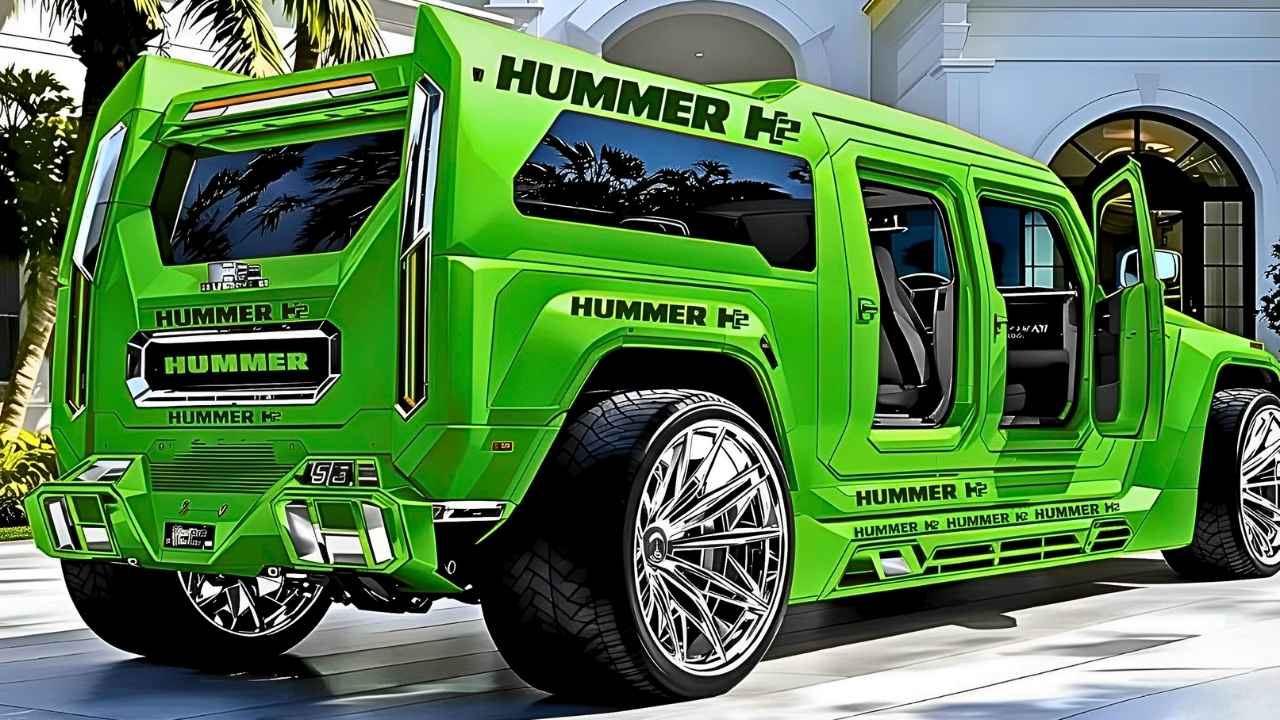
The 2026 iteration respects that heritage. Its overall shape is unmistakable: a broad, muscular stance, flared fenders, and that legendary roofline that screams “go anywhere.” Yet underneath the familiar skin, engineers have re‑imagined the frame using high‑strength steel and lightweight aluminum alloys. The result is a structure that retains the original’s imposing proportions while shedding unnecessary weight, improving both fuel economy and handling.
Powertrain Choices: Diesel Muscle Meets Hybrid Agility
Power has always been the lifeblood of the H1, and the new model presents two distinct options that cater to different driving philosophies.

The first is a turbocharged 6.7‑liter diesel engine, tuned for low‑end torque and long‑haul efficiency. This powerplant delivers well over 600 lb‑ft of torque, making low‑speed climbs feel effortless. The diesel’s durability and fuel range make it a natural fit for extended overland expeditions where supplies are scarce and reliability is non‑negotiable.
The second option pairs a 5.0‑liter V8 with a 48‑volt mild‑hybrid system. The electric assist provides instant torque, tightening the throttle response and shaving a few seconds off the 0‑60 sprint. While still a heavyweight, this hybrid version feels spryer in urban traffic and offers a modest reduction in emissions—a nod toward environmental awareness without compromising the H1’s brute‑force character.

Both setups are paired with a robust 8‑speed automatic transmission that can be manually stepped through for precise control when navigating technical terrain.
Off‑Road Mastery Redefined
If there’s one area where the H1 never compromises, it’s its off‑road competence. The 2026 model adds a host of refinements that push its capability further than its predecessor ever did.

An independent, double‑wishbone suspension for each wheel allows each corner to react to bumps without influencing the opposite side. This gives the vehicle a remarkably smooth wheel‑travel of over 13 inches, letting it glide over boulders and deep ruts with surprising composure.
The ground clearance now measures a generous 14.5 inches, and the approach, departure, and break‑over angles have been widened through careful redesign of the front and rear bumper geometry. Lockable front and rear differentials, along with a rear‑center limited‑slip, ensure power is sent where it’s needed most, whether you’re crawling over a fallen tree or negotiating a steep, loose hill.

An under‑body skid plate, reinforced tow hooks, and a reinforced frame rail protect the vital components from rocks, logs, and the occasional mishap that’s inevitable on the backcountry trails.
Exterior: Form Meets Function
The exterior language of the 2026 H1 stays true to its utilitarian roots. The boxy silhouette is not a nostalgic throwback; it’s a conscious design decision that maximizes interior volume and visibility. Wide fenders accommodate the massive tires—now available in 37‑inch all‑terrain and 40‑inch mud‑specific options—while still leaving room for aftermarket accessories.

The front fascia features a revamped grille with active shutters that open to improve cooling under heavy load and close to reduce drag during highway cruising. LED projector headlights, complemented by a set of high‑mounted auxiliary lamps, provide crisp illumination for night‑time off‑road work.
Rear view is handled by a wide, wrap‑around tailgate that doubles as a utility platform, and the integrated rear–view camera offers a clear view of what lies behind—critical when maneuvering in tight campsites or reverse‑loading gear.

Interior: Rugged Comfort for Long Hauls
Inside, the cabin balances the H1’s rough‑and‑tumble reputation with amenities that make long journeys enjoyable. Hard‑wear surfaces such as high‑density polypropylene and abrasion‑resistant fabric protect the seats and door panels from mud, sand, and water. At the same time, the seats are ergonomically shaped with multi‑point airbags, lumbar support, and optional heating and ventilation.
A digital 12.3‑inch instrument cluster works alongside a 10.5‑inch central touchscreen that runs a customized infotainment suite. The software integrates navigation, off‑road telemetry, and vehicle health diagnostics, all presented in a clear, glance‑able format. Bluetooth, Wi‑Fi hotspot, and multiple USB‑C ports keep devices charged and connected even when you’re far from civilization.

Climate control handles the extremes—whether you’re stuck in a desert afternoon or a mountain snowstorm—while a cabin air filtration system keeps dust and allergens at bay. The rear bench folds flat, turning the cargo area into a spacious platform for gear, a camp kitchen, or a makeshift sleeping area.
Technology Built for the Wild
The H1’s tech suite focuses on making the driver’s job easier in unforgiving conditions. A Terrain Management System offers eight pre‑set modes: Rock Crawl, Mud, Sand, Snow, Sand‑Rock, Off‑Road, Tow‑Assist, and Eco. Selecting a mode instantly re‑configures throttle response, transmission shift points, differential lock engagement, and traction control thresholds.

Surround‑view cameras mounted on the front bumper, side rails, and rear give a 360‑degree bird’s‑eye perspective on a dedicated screen, while a forward‑facing infrared night‑vision camera highlights obstacles beyond the reach of headlights.
Wheel‑by‑wheel torque vectoring, paired with a predictive suspension algorithm, automatically adapts to changing terrain, reducing driver fatigue on long, technical runs. A dedicated recovery mode disables certain electronic aids to give the driver full mechanical control when pulling a stuck vehicle or navigating a precarious ledge.

Who Is This Vehicle For?
The 2026 Hummer H1 is built for a specific breed of driver: the explorer who sees a map as a suggestion, the enthusiast who wants to push his vehicle to its limits, and the professional who needs a workhorse capable of transporting tools, equipment, and personnel across rough terrain.
It isn’t designed for city commuters seeking whisper‑quiet rides or minimal fuel consumption. Instead, it caters to those who value durability, raw capability, and a sense of presence that can’t be ignored. Whether you’re planning a cross‑country overland trek, a weekend’s worth of rock crawling, or a remote‑site construction job, the H1 provides the muscle and practicality to get the job done.
Final Thoughts
The revival of the Hummer H1 in 2026 feels less like a nostalgic cash‑grab and more like a respectful continuation of a storied lineage. By marrying the original’s unmistakable silhouette and brute strength with modern powertrains, advanced suspension, and thoughtful interior upgrades, General Motors has created a vehicle that truly belongs in today’s market while still honoring its past.
It stands as a testament to what happens when a brand embraces its roots instead of discarding them. For anyone who has ever dreamed of owning a piece of off‑road history that can also meet the demands of modern adventure, the 2026 Hummer H1 delivers a compelling—and undeniably thrilling—package.
Frequently Asked Questions
1. What is the fuel economy of the diesel version?
The 6.7‑liter turbo diesel averages about 13 miles per gallon combined (city/highway). Real‑world numbers vary depending on load, terrain, and driving style, but it remains competitive for a vehicle of this size and capability.
2. Can the H1 be fitted with a roof rack or other aftermarket accessories?
Yes. The roof is engineered with reinforced mounting points that accommodate heavy‑duty racks, solar panels, spare‑tire carriers, and even a light‑weight tent system for overland camping.
3. How much cargo can the vehicle tow?
When equipped with the optional tow package, the H1 can tow up to 12,000 pounds. This makes it suitable for pulling travel trailers, boat wagons, or a fully loaded off‑road expedition rig.
4. Is the hybrid powertrain eligible for any government incentives?
In many U.S. states and several European markets, the mild‑hybrid version qualifies for clean‑vehicle tax credits and reduced registration fees. Prospective buyers should check local regulations for the exact benefits.
5. What warranty coverage does the 2026 H1 receive?
General Motors offers a four‑year/50,000‑mile bumper‑to‑bumper warranty, with a five‑year/70,000‑mile powertrain guarantee. The off‑road components, such as the suspension and locking differentials, are covered under a separate eight‑year/100,000‑mile rust‑through warranty.
Disclaimer
The information provided in this article is based on officially released specifications and public statements from the manufacturer as of the publication date. Specifications, pricing, and availability are subject to change without notice. This content is for informational purposes only and does not constitute professional advice or an endorsement of any specific product. Readers are encouraged to verify details with an authorized dealer before making purchase decisions.