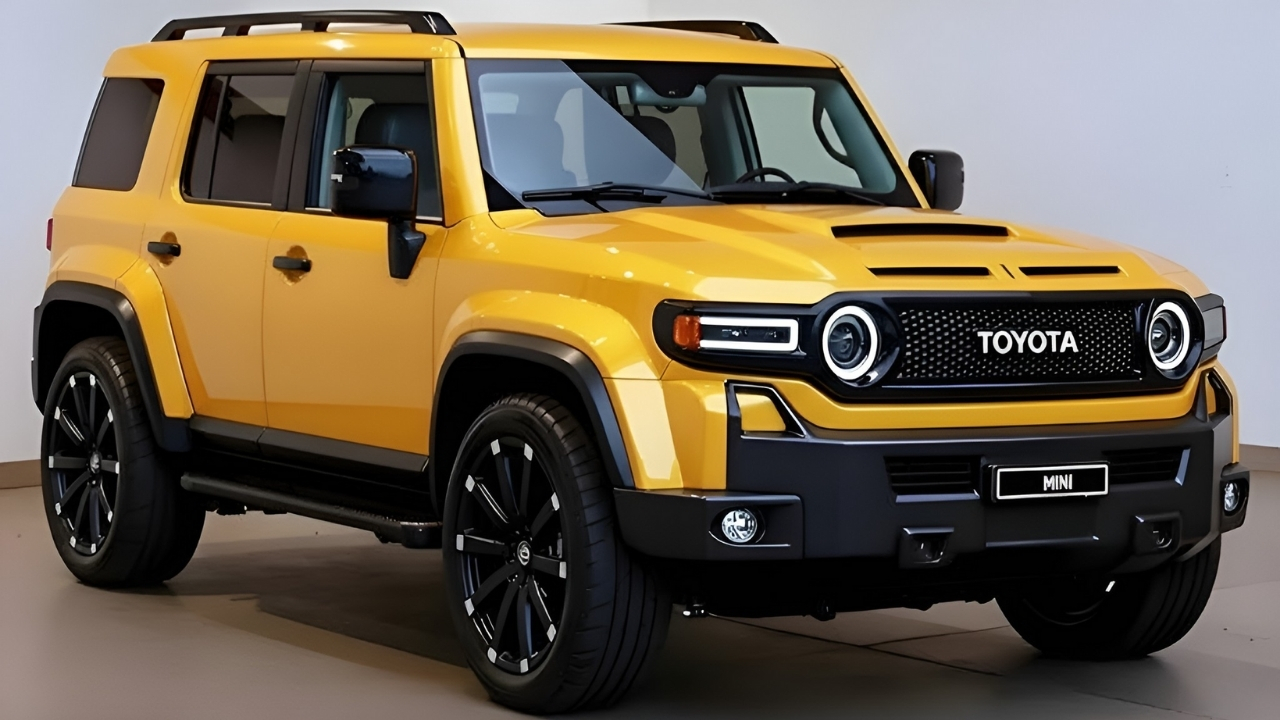
Introducing the 2026 Toyota Mini Land Cruiser
If you’ve spent years admiring the legendary Toyota Land Cruiser but have always felt a little cramped when parking it on city streets, Toyota’s newest offering could be the answer you’ve been waiting for. The 2026 Mini Land Cruiser takes the rugged spirit of the original and shrinks it down to a size that feels at home in urban neighborhoods while still promising off‑road competence. In this article we’ll explore every angle of the upcoming model, from its design philosophy to the practical tips that will help you make the most of it.
What Is the 2026 Toyota Mini Land Cruiser?
The Mini Land Cruiser is essentially a compact reinterpretation of Toyota’s flagship SUV. While the full‑size Land Cruiser commands a strong presence on and off the road, the mini version is built around three core ideas: easier maneuverability, better fuel economy, and a price point that appeals to younger buyers. Despite the reduced dimensions, Toyota has kept the DNA that makes the Land Cruiser famous—robust chassis engineering, a capable all‑wheel‑drive system, and a reputation for durability.

When and Where Will It Arrive?
Toyota has announced that the 2026 Mini Land Cruiser will begin shipments in mid‑2026. The first markets to receive the vehicle are expected to be Japan, several European countries, and selected regions of North America. Dealerships will start taking reservations a few months before the official debut, so keeping an eye on Toyota’s regional websites and social channels will give you the best chance to lock in a spot on the waiting list.
Powertrain and Technology Overview
Engine and Drivetrain
The base model is slated to feature a 2.4‑liter turbocharged inline‑four paired with an eight‑speed automatic transmission. In markets where emissions standards are stricter, Toyota will also offer a hybrid variant that combines the turbo engine with an electric motor for even lower fuel consumption. Both powertrains feed a full‑time all‑wheel‑drive system that can be fine‑tuned via selectable terrain modes.

Interior Tech
Inside, the Mini Land Cruiser embraces modern connectivity. A 12.3‑inch touchscreen sits at the center of the dashboard, supporting Apple CarPlay, Android Auto, and a suite of Toyota‑developed voice commands. Safety technology is generous for a vehicle of its class: adaptive cruise control, lane‑keeping assist, automatic emergency braking, and a 360‑degree camera system are all standard on higher trims.
Comfort and Space
The cabin comfortably seats five adults, and the rear seats fold flat to create a versatile cargo area. Roof‑rack mounting points are factory‑installed, giving owners the option to add bike carriers, kayak racks, or extra storage boxes without drilling holes.

Where the Mini Land Cruiser Excels
Urban Agility
One of the biggest advantages of the mini version is its footprint. At roughly 4.3 meters in length, the vehicle easily fits into tighter parking spaces and navigates congested city avenues with far less stress than its larger sibling. Turning radius and blind‑spot visibility have been optimized for the urban environment, making daily commutes smoother.
Off‑Road Readiness
Don’t let the size fool you. The Mini Land Cruiser retains a low‑range gearbox, hill‑descent control, and an advanced traction‑control system that can handle muddy trails, gravel roads, and light snow. The under‑body protection is still present, though slightly slimmer, ensuring that the vehicle can survive the occasional bump on a back‑country adventure.

Fuel Efficiency
A smaller displacement engine naturally sips less gasoline. Early estimates suggest the gasoline‑only model will achieve around 30 mpg combined, while the hybrid version could push past 40 mpg. Those numbers place the Mini Land Cruiser well ahead of most traditional midsize SUVs when it comes to running costs.
Common Misconceptions and How to Avoid Them
“Smaller Means Weaker”
Many prospective buyers assume a compact SUV can’t handle serious off‑road work. In reality, Toyota has reinforced the chassis and retained the same torque‑focused engine tuning found in larger models. The vehicle’s performance on steep inclines or uneven terrain is comparable to the standard Land Cruiser when the appropriate terrain mode is engaged.

“No Room for Gear”
Although the cargo area is reduced, clever packaging compensates. The rear seats fold completely flat, and a configurable “split‑fold” option lets you keep a passenger while still loading longer items. Adding a roof rack or a rear cargo box can further expand usable space without compromising interior comfort.
“It’s Too Expensive for a Compact SUV”
Pricing will sit in the premium compact segment, reflecting Toyota’s investment in safety tech, off‑road hardware, and build quality. Think of it as a long‑term investment: the vehicle’s reliability and resale value tend to be strong, and the lower fuel consumption offsets the initial outlay over time.

Tips to Get the Most Out of Your Mini Land Cruiser
Experiment with Terrain Modes – Take the time to test each mode (Mud‑S, Sand‑S, Snow‑S, etc.) on a safe surface. Knowing which setting yields the best traction will boost confidence when you head off‑road.
Leverage Driver‑Assist Features – Adaptive cruise control and lane‑keeping assist are designed for highway cruising, but they’re also handy in stop‑and‑go traffic. Enable parking assist for tight city spots and let the system guide you into place.

Maximize Cargo Flexibility – Use the split‑fold rear seats to keep a passenger while hauling longer gear. Consider a modular cargo box for the roof if you frequently transport sport equipment.
Stay on Top of Maintenance – Regular oil changes, brake inspections, and tire rotations keep the rugged drivetrain humming. Even though the engine is smaller, the high‑torque nature of the turbo means you’ll benefit from timely service.
Join Owner Communities – Online forums and local Toyota clubs share valuable real‑world tips, from tire recommendations for specific terrains to software updates that improve performance.


Recent Updates and Future Outlook
Toyota has been gradually releasing new details about the 2026 Mini Land Cruiser. Highlights include:

- Hybrid Powertrain Availability – Offered in Europe and Japan initially, the hybrid version aims for a 0‑60 mph time under 9 seconds while delivering exceptional fuel economy.
- Enhanced Infotainment – Higher trims now sport a 12.3‑inch OLED display with an upgraded navigation system that supports offline maps for remote areas.
- Advanced Safety Suite – Standard on most trims, features like “Road Sign Assist” and “Pedestrian Detection” add an extra layer of protection in both city and wilderness settings.
- Nature‑Inspired Colors – A palette that includes “Forest Green,” “Desert Sand,” and “Arctic Ice” aims to blend the vehicle with its surroundings, a nod to the outdoor lifestyle.
These updates demonstrate Toyota’s commitment to delivering a modern, safe, and environmentally conscious SUV without sacrificing the rugged ethos that made the Land Cruiser a legend.
Quick Comparison (Bullet Points)
- Length – Mini Land Cruiser: ~4.3 m; Standard Land Cruiser: ~5.0 m
- Seating – 5 passengers vs. 7‑8 passengers
- Engine – 2.4 L turbo (or hybrid) vs. 4.0 L V6/V8
- Fuel Economy – Higher (30‑40 mpg) vs. Lower (15‑20 mpg)
- Maneuverability – Excellent in tight spaces vs. Moderate in urban settings
- Off‑Road Capability – Strong for its class vs. Very strong in full‑size segment
Conclusion
The 2026 Toyota Mini Land Cruiser arrives at a time when drivers are looking for versatility without compromise. By marrying a compact footprint with a capable all‑wheel‑drive system, fuel‑saving technology, and a suite of modern comforts, Toyota offers a vehicle that can comfortably navigate crowded city streets and still conquer a weekend trail. Whether you’re a young professional yearning for a weekend escape or a seasoned adventurer seeking a secondary, easier‑to‑park vehicle, the Mini Land Cruiser makes a compelling case that adventure doesn’t have to come in a massive package.

Frequently Asked Questions
1. Will the Mini Land Cruiser have a tow‑rating?
Yes. The base model can tow up to 2,000 lbs, while the hybrid variant is rated for 2,500 lbs, sufficient for small boats, trailers, or bike racks.
2. Is there an all‑electric version planned?
As of now, Toyota has only announced gasoline and hybrid powertrains for the 2026 model year. An all‑electric version may be considered for future generations.
3. How does the warranty compare to the standard Land Cruiser?
Both models share Toyota’s five‑year/60,000‑mile bumper‑to‑bumper warranty, with an additional eight‑year/100,000‑mile powertrain guarantee.
4. Can I install aftermarket lift kits without voiding the warranty?
Minor lifts that stay within the manufacturer’s recommended limits are generally acceptable, but it is best to consult an authorized dealer before making any modifications.
5. What safety ratings does the Mini Land Cruiser hold?
Pre‑launch testing suggests it will achieve a five‑star rating from Euro NCAP and a “Good” rating from the IIHS in the United States, thanks to its comprehensive safety suite.
Disclaimer
The information presented here reflects publicly available data and official statements from Toyota as of the writing date. Specifications, pricing, and availability are subject to change before the vehicle’s official launch. Prospective buyers should verify details with an authorized Toyota dealer in their region.