
Introduction
The automotive world is moving at a pace that was once thought impossible, and Ford’s 2027 electric lineup is a clear sign that the brand is not just keeping up—it’s leading. This series goes beyond simply swapping a gasoline engine for a motor; it reimagines how a daily driver can feel, work, and interact with the road. Whether you travel long distances for work, head out on weekend getaways, or simply enjoy the latest tech, the new Ford EVs are engineered to fit into every lifestyle while delivering a sense of excitement that feels genuinely new.
Design Evolution
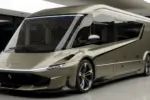
Ford’s designers have taken a bold step toward a cleaner silhouette that feels both aggressive and refined. The exterior features a lower front grille, seamless flush‑mounted headlamps, and a roofline that tapers gently toward the rear, reducing drag and giving each model a distinct, future‑forward presence. Aerodynamic tweaks such as active rear spoilers and underbody panels help push the efficiency envelope further, while the use of high‑strength aluminum and recycled composites keeps the weight down without sacrificing rigidity. Inside, the cabin follows a minimalist philosophy: fewer physical buttons, a larger glass canopy, and upholstery made from reclaimed fabrics that still feel luxurious to the touch.

Battery Innovation
At the heart of every 2027 Ford EV is a next‑generation battery pack that prioritizes energy density and thermal stability. The new cells pack roughly 20 percent more kilowatt‑hours into the same space, allowing the flagship SUV to claim a real‑world range north of 500 miles on a single charge. Fast‑charging infrastructure has also been upgraded; a 250 kW station can boost the pack from 10 to 80 percent in under 15 minutes, making road trips feel as spontaneous as they did with a gasoline tank. An intelligent cooling system monitors temperature across the pack and adjusts flow on the fly, ensuring consistent power delivery even in extreme heat or cold.
Integrated Technology
Ford’s software ecosystem is the silent workhorse that ties the whole experience together. A 15‑inch curved OLED display serves as the command center, delivering crisp graphics and responding instantly to touch, voice, or even subtle hand gestures. The AI‑driven personal assistant learns driver habits—preferred cabin temperature, favorite playlists, and typical routes—and adjusts settings automatically. Over‑the‑air updates arrive regularly, adding features such as new driver‑assist modes, entertainment apps, and even performance tweaks without the need for a dealership visit. A dedicated connectivity suite also offers seamless integration with smartphones, smart‑home devices, and upcoming autonomous services.
Driving Dynamics
Pure electric torque gives these Ford models a punchy launch that feels immediate and smooth. Multiple drive profiles—Eco, Normal, Sport, and Off‑Road—let drivers tailor power delivery and regenerative braking to the situation at hand. A lower centre of gravity, courtesy of the floor‑mounted battery, enhances handling stability, making cornering feel confident whether you’re navigating city streets or winding mountain roads. The motor architecture, built on a modular platform, can be stacked for higher output in performance‑focused variants, delivering up to 400 horsepower without sacrificing efficiency.
Cabin Comfort
Spending time inside a 2027 Ford EV feels like being inside a quiet lounge. Noise‑cancelling glass and acoustic insulation keep cabin chatter low, while an adaptive ambient lighting system shifts colour and intensity to match the time of day or driver mood. Seats are built on a multi‑zone air‑massage system that can be programmed per occupant, ensuring long trips remain comfortable. Panoramic glass roofs stretch over both front and rear seats, offering an expansive view that makes even rush‑hour traffic feel more relaxed. Climate control utilizes a heat‑pump system that works efficiently in both hot and cold climates, reducing the drain on the battery.

Environmental Responsibility
Sustainability is woven into every stage of the vehicle’s life cycle. More than 40 percent of interior components—from dashboard trim to seat cushions—are derived from post‑consumer recycled plastics. Exterior panels incorporate reclaimed aluminum, cutting the carbon footprint of manufacturing by a notable margin. The production facilities themselves run on a mix of renewable energy sources, and Ford has instituted a closed‑loop battery recycling program that aims to reclaim 95 percent of critical materials at the end of each pack’s life.
Safety Advances
Safety remains a cornerstone of Ford’s EV strategy. A suite of Lidar, radar, and high‑resolution cameras feed data to an onboard processor that can predict and mitigate potential collisions up to 2 seconds before impact. Features such as Adaptive Cruise Control with Stop‑and‑Go, Intersection Assist, and a rear‑cross‑traffic alert work together to keep drivers and passengers protected. The platform also supports a Level‑3 autonomous driving mode on approved highways, allowing hands‑free travel while the system monitors traffic, lane markings, and road conditions. All critical systems are self‑diagnosing, with alerts pushed to the driver’s smartphone if maintenance is required.

Future‑Proofing
Ford has built the 2027 EV series with the expectation that technology will continue to evolve rapidly. A modular hardware architecture means new sensors, battery upgrades, or even performance modules can be added without a complete redesign. Software‑defined vehicle functions allow owners to subscribe to premium services like enhanced navigation, advanced driver‑assist features, or performance boosts, turning the car into a platform that grows with the user’s needs.
Key Takeaways
The 2027 Ford EV lineup blends striking design, long‑range capability, and a sophisticated tech ecosystem into a package that feels both approachable and aspirational. With a commitment to sustainability, safety, and continuous improvement, the series positions Ford as a serious contender in the electric market for both today’s driver and tomorrow’s innovators.

Frequently Asked Questions
1. How long does it take to charge the battery from 0 to 100 %?
Using a 250 kW DC fast charger, the pack reaches 80 % in roughly 15 minutes, and a full charge is typically completed within 30‑35 minutes. Level‑2 home chargers will take about 8‑10 hours for a complete charge.
2. Are there any subscription services required to access the vehicle’s advanced features?
The core driver‑assist and infotainment functions are included out of the box. Optional services—such as enhanced autonomous mode, premium navigation, or increased performance output—are offered through subscription plans that can be added or cancelled at any time.

3. What warranty does Ford provide for the battery?
Ford offers an 8‑year or 100,000‑mile warranty (whichever comes first) on the battery pack, covering capacity loss below 70 % of the original rating and any defects in materials or workmanship.
4. Can the vehicle’s software be updated without visiting a dealership?
Yes, all software updates—including security patches, new features, and performance tweaks—are delivered over‑the‑air and installed automatically when the vehicle is connected to Wi‑Fi or a cellular network.

5. How does the 2027 EV series handle winter driving conditions?
The thermal management system actively heats the battery in cold weather to maintain optimal performance, while the heat‑pump climate system efficiently manages cabin temperature. Additionally, all models offer an all‑wheel‑drive configuration with torque vectoring for improved traction on snow and ice.
Disclaimer
The information provided in this article is based on publicly available data and Ford’s official announcements as of the time of writing. Specifications, features, and pricing are subject to change without notice. Prospective buyers should verify details with an authorized Ford dealer before making a purchase decision.