
The Automotive Landscape in 2026: A Snapshot
The year 2026 marks a watershed moment for the U.S. automotive market. What once seemed like separate trends—electrification, artificial intelligence, and radical design—have merged into a single, cohesive vision of mobility. On highways from Los Angeles to Boston you can now see sleek electric sedans that accelerate faster than a traditional supercar, hybrid SUVs that pull the kind of torque once reserved for muscle machines, and luxury coupes that learn a driver’s habits almost as intuitively as a human companion. These vehicles are more than transportation; they are mobile extensions of a lifestyle that prizes speed, sustainability, and smart connectivity.
The Three Pillars Holding Up the 2026 Revolution
Three forces dominate the current wave of change, and each one reinforces the others.
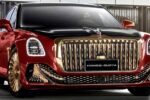
Electrification – Battery chemistry, charging infrastructure, and power‑train architecture have all reached a maturity level that makes electric propulsion the default choice for most new models.
Artificial Intelligence – From predictive maintenance to adaptive driving dynamics, AI now resides in the heart of every vehicle’s electronic control unit.

Design Evolution – Aerodynamics, lightweight composites, and recycled interior materials combine to deliver performance without sacrificing environmental responsibility.
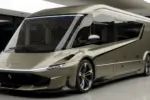
Together, these pillars form a feedback loop: smarter software extracts more efficiency from better batteries, while innovative shapes reduce drag and allow smaller power packs to go farther.

Electric Power Is No Longer an Option, It’s the Expectation
In 2026 the average American driver expects an electric vehicle (EV) to be as convenient as a gasoline car was a decade ago. The market has responded with several key breakthroughs:
Range that rivals the old guard – Models from Chevrolet, Tesla, and Rivian now regularly exceed 500 miles on a single charge, with a handful of premium trucks topping 600 miles.
Lightning‑fast charging – High‑power DC stations delivering 350 kW make it possible to recover 80 percent of range in under ten minutes, a figure that is becoming commonplace along interstates and in urban parking decks.
Ubiquitous infrastructure – Federal grants and state‑level incentives have spurred the installation of over 250,000 public fast‑chargers, while many municipalities are embedding wireless charging pads in streetlights for low‑speed urban travel.


These advances have shifted the narrative from “EVs are a niche” to “EVs are the baseline.”
Redefining Performance: From Horsepower to Instant Torque
Performance in 2026 is measured less by raw crankshaft output and more by how that power is delivered to the road. Electric motors provide torque from the first revolution, creating acceleration curves that feel almost instantaneous. Highlights include:
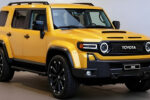
Tri‑motor platforms – Tesla’s newest flagship integrates three independent motors that can independently manage each wheel, allowing torque vectoring that keeps the car planted even in tight corners.
Aerodynamic mastery – Lucid and Porsche have introduced active aero elements that adjust in real time, reducing drag at highway speeds while generating downforce during spirited driving.
Hybrid synergy – Ford and Porsche continue to blend V8 gasoline engines with electric motors, delivering a visceral roar when the combustion kicks in, but also the whisper‑quiet boost of electric torque for city cruising.

The result is a new class of “instant‑response” vehicles that make traditional power‑to‑weight ratios feel obsolete.
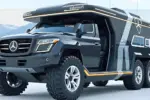
Intelligent Battery Recovery: Extending the Life of Every Cell
Battery degradation used to be the Achilles’ heel of early EVs. In 2026, Intelligent Battery Recovery (IBR) systems have turned that weakness into a strength. By constantly monitoring cell health, temperature gradients, and charge cycles, IBR can:
Diagnose micro‑imbalances – Detect a single underperforming cell before it affects overall range.
Self‑heal during idle periods – Apply low‑current pulses that restore capacity lost to crystal formation, a process that can extend usable battery life by 20‑30 percent.
Optimize future charging – Adjust charging curves based on the battery’s current health, reducing stress and further slowing wear.


Originally a premium‑segment feature, IBR now appears in mainstream models from GM and Hyundai, giving owners confidence that their electric car will stay viable for a decade or more without costly replacements.
AI Inside the Cabin: Your Car as a Co‑Driver
Artificial intelligence has moved beyond driver‑assist features and is now a full‑time partner in the vehicle cabin. The most notable developments are:
Behavioral learning – Systems like Ford’s “BlueMind” and GM’s “DriveSense” track a driver’s throttle habits, preferred braking distances, and even seat‑position adjustments, automatically fine‑tuning vehicle responses to match personal comfort.
Health and fatigue monitoring – Cameras and interior sensors analyze eye movement, facial expression, and heart‑rate variability to issue gentle alerts when driver attention wanes.
Proactive maintenance – Predictive algorithms evaluate vibration signatures, fluid temperatures, and software logs to schedule service appointments before a component fails.
These AI companions transform driving from a repetitive task into an interactive experience, where the car anticipates needs and mitigates risks in real time.
Design Philosophy: Beauty, Efficiency, and Sustainability
The visual language of 2026 cars tells a story of purpose. Designers no longer treat aesthetics and function as separate concerns. Key trends include:
Streamlined silhouettes – Lower drag coefficients (often under 0.20) result from sculpted bodies, hidden door handles, and seamless glass roofs that double as solar collectors.
Circular‑economy interiors – Seats made from recycled marine plastics, dashboards woven from plant‑based fibers, and trims crafted from reclaimed aluminum reduce waste while delivering a premium feel.
Modular platforms – A single chassis can support an EV, a plug‑in hybrid, or a pure gasoline powertrain, giving manufacturers flexibility to respond quickly to shifting market demands.
The result is a cohesive aesthetic that conveys speed, cleanliness, and modernity at a glance.
Autonomous Driving Nears Full Autonomy
Level 4 autonomy—where a vehicle can handle most driving situations without human input—has moved from pilot projects to regular deployment. Highlights of the current state:
Urban robo‑taxis – Companies like Waymo and Aurora operate fleets in San Francisco, Austin, and Detroit, offering on‑demand rides that require no driver interaction in most traffic conditions.
Regulatory progress – A national framework for liability, data handling, and safety standards is now in place, allowing state DOTs to certify Level 4 systems more efficiently.
Infrastructure synergy – Cities are installing V2X (vehicle‑to‑everything) beacons that broadcast real‑time road information, enabling smoother cooperation between autonomous cars and traffic signals.
While Level 5—full self‑driving under any condition—remains a few years away, the 2026 landscape already shows how autonomy can reduce accidents, improve traffic flow, and unlock new mobility models.
Connectivity and Personalization: Cars as Digital Hubs
A vehicle in 2026 is as much a computer as it is a machine. Deep integration with cloud services and personal devices creates an ecosystem that follows the driver from home to highway:
Smart‑home handoff – As you pull into the driveway, the car sends a signal to your thermostat, lights, and security system, preparing the house for your arrival.
Health‑first infotainment – Wearable data can trigger seat‑massage programs, adjust cabin air filtration for allergens, or suggest a hydration reminder during long trips.
Augmented‑reality windshields – Heads‑up displays overlay navigation arrows, speed limits, and hazard warnings directly onto the road surface, reducing eye‑movement and improving reaction times.
These capabilities turn the automobile into a seamless extension of the user’s digital life, reinforcing brand loyalty through personalized experiences.
Muscle‑Car Heritage Meets Electric Efficiency
The love affair between the American driver and the muscle car has not faded; it has simply been electrified. In 2026, legacy nameplates like the Chevrolet Camaro, Dodge Charger, and Ford Mustang have been reborn with the following features:
Electric powertrains that retain the roar – Synthetic exhaust sound generators mimic the iconic growl, while delivering instant torque that outpaces the original V8s.
Retro‑inspired styling – Bold, aggressive lines, flared fenders, and classic badging keep the cultural identity intact, appealing to both purists and new‑age enthusiasts.
Performance packages – Track‑focused versions add advanced torque vectoring, carbon‑ceramic brakes, and aerodynamic kits, delivering lap times that challenge traditional sports cars.
By marrying nostalgia with cutting‑edge technology, these models keep the spirit of American performance alive while meeting modern emissions standards.
What Drivers Can Expect in the Near Future
Looking ahead, the 2026 automotive ecosystem points toward three emerging trends:
Ultra‑fast wireless charging – Inductive pads embedded in parking spots aim to replace plug‑in stations entirely for short‑duration stops.
Vehicle‑to‑grid (V2G) participation – Cars will increasingly act as distributed energy storage, feeding electricity back to the grid during peak demand and earning owners credits.
Hyper‑personalized software updates – Over‑the‑air updates will not only add features but also adapt the vehicle’s driving dynamics to match regional road conditions and driver preferences.
These developments promise a future where mobility feels effortless, sustainable, and intimately tailored to each individual.
Frequently Asked Questions
1. How long will a typical 2026 electric vehicle battery last?
Most manufacturers now guarantee 8‑10 years or 150,000 miles, and the inclusion of Intelligent Battery Recovery systems can extend usable capacity well beyond that, often up to 15 years with proper care.
2. Are Level 4 autonomous cars safe for everyday use?
Yes. Level 4 systems undergo extensive simulation and real‑world testing, and their safety record in pilot cities shows a reduction in accident rates compared with human‑driven traffic.
3. Will my existing gasoline car become obsolete quickly?
While EVs dominate new sales, gasoline models will remain on the road for many years. However, resale values are expected to decline faster as charging infrastructure expands and emissions regulations tighten.
4. Can I still experience a “muscle‑car” feel in an electric vehicle?
Absolutely. Manufacturers employ synthetic exhaust sounds, aggressive styling, and rapid torque delivery to capture the essence of classic muscle cars while delivering superior performance and efficiency.
5. How does vehicle‑to‑grid technology affect my daily driving?
V2G allows your car to feed excess energy back to the grid during off‑peak hours, earning you credits or reducing your electricity bill. The process is automated and does not impact your vehicle’s range unless you opt out.
Disclaimer
The information presented here reflects general industry trends and publicly available data as of 2026. Specific vehicle specifications, feature availability, and regulatory details may differ by manufacturer, model, or region. This article is for informational purposes only and does not constitute professional advice or endorsement.