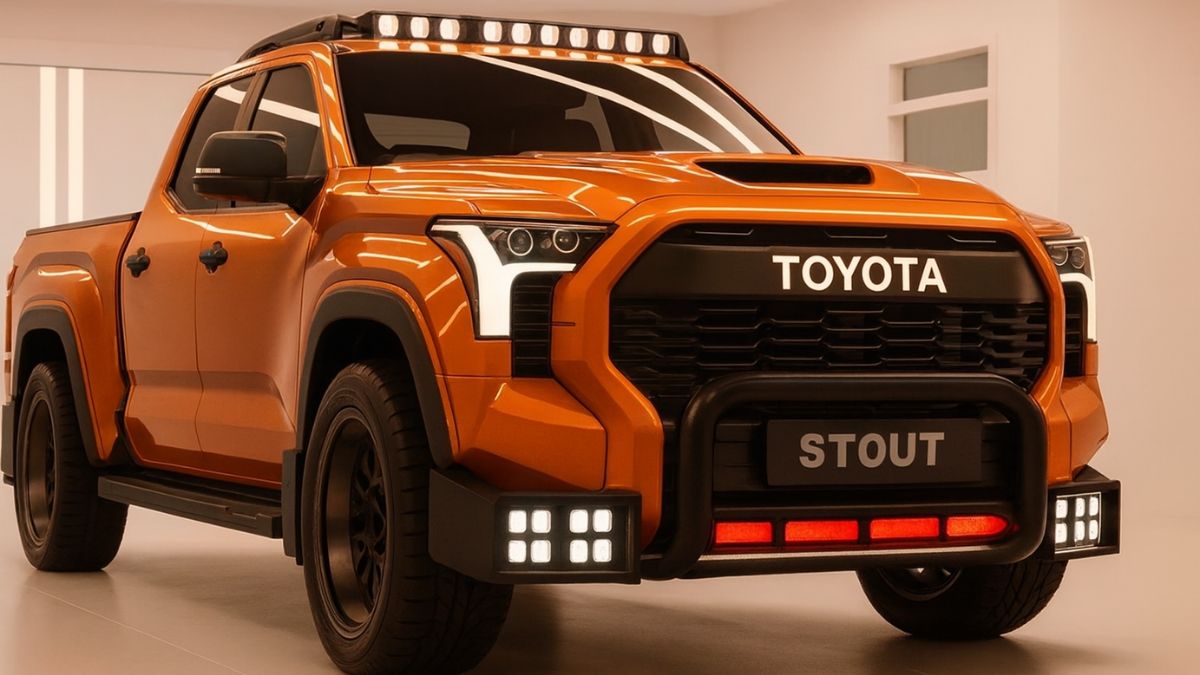
A Fresh Look at the 2026 Toyota Stout
Toyota is stepping back into the compact pickup arena with the 2026 Stout, a model that seems designed for the everyday commuter, the weekend adventurer, and the small‑business owner alike. The new Stout blends a rugged aesthetic with a surprisingly refined cabin, a suite of modern technology, and power‑train options that aim to please both efficiency‑focused drivers and those who need a bit more torque for hauling. Below is a detailed walk‑through of what the Stout brings to the table.
Exterior Design: Athletic Yet Urban‑Friendly
The 2026 Stout carries Toyota’s current design language forward with confidence. A hexagonal grille sits beneath angular LED headlights, giving the front end a purposeful stare. Body panels are sculpted with sharp character lines that hint at off‑road capability while keeping the overall silhouette sleek enough for tight city streets.

Aerodynamic attention isn’t just about looks—it helps the Stout achieve respectable fuel numbers for a vehicle of its size. New alloy wheel designs, a higher beltline, and optional two‑tone paint schemes give buyers the chance to personalise the truck’s appearance without compromising its functional stance. The result is a pickup that feels at home on a construction site and at a downtown café parking lot alike.
Interior Comfort: Practical Luxury
Inside, Toyota has opted for a cabin that feels more like a compact SUV than a traditional work truck. Soft‑touch plastics line the dashboard, and a modest amount of genuine upholstery adds a touch of upscale feel without inflating the price. Seats are well‑bolstered, offering solid support on longer drives, while the overall layout maximises passenger space and storage.
The centre console houses a 10‑inch touchscreen that runs Toyota’s latest infotainment platform. Wireless Apple CarPlay and Android Auto are standard, and higher trims can upgrade to a premium audio system with additional USB‑C ports. Small details—such as a 12‑volt outlet near the driver’s seat, cup‑holder trays and a discreetly placed storage bin—show that the Stout’s designers kept everyday usability in mind.
Powertrain and Performance: Choices for Every Need
Toyota has priced the Stout with three power‑train options.

- 2.0‑liter gasoline engine – A naturally aspirated unit tuned for city cruising, delivering smooth acceleration while keeping fuel consumption modest.
- 2.5‑liter diesel engine – This variant offers a noticeable bump in low‑end torque, making it the better choice for payload‑heavy tasks or light off‑road excursions.
- Hybrid variant – Offered in selected markets, the hybrid combines a smaller gasoline engine with an electric motor to improve overall efficiency and reduce emissions, without sacrificing responsiveness.
All three engines are paired with a six‑speed automatic transmission that shifts crisply and incorporates a manual‑mode paddle setup on higher trims. The suspension is a tuned independent front and leaf‑spring rear setup, providing a comfortable ride on paved roads while still maintaining enough articulation for occasional gravel or dirt paths. Engine vibration has been dampened through revised mounts, lending the Stout a composed feel even when the bed is fully loaded.
Cargo and Utility: Small Size, Big Capability
The Stout’s cargo bed measures roughly 4.5 feet in length, a dimension that may feel modest compared to full‑size pickups but is surprisingly versatile. Standard features include reinforced steel crossbars, tie‑down hooks, and a high‑strength floor panel. Optional accessories such as a sliding tonneau cover, a spray‑on bed liner, and a rear steps kit allow owners to tailor the bed for specific work or recreational needs.

Payload capacity sits around 1,300 pounds, enough for a set of tools, a modest load of building materials, or a weekend of sporting gear. The rear tailgate also doubles as a work surface when folded down, giving the Stout a functional edge for small‑business owners who need a mobile workstation.
Technology and Connectivity: Staying Connected on the Move
Beyond the infotainment screen, Toyota has woven a number of tech conveniences into the Stout. Voice‑activated navigation, Bluetooth hands‑free calling, and a suite of smartphone‑friendly apps are standard. Higher trims bring a digital instrument cluster that can be customised to display navigation, fuel‑efficiency data, or driving‑assist indicators.

For fleet operators, Toyota offers an optional telematics package. The system monitors fuel use, engine diagnostics, and driver behaviour, delivering reports that can help reduce operating costs. A Wi‑Fi hotspot (available as an add‑on) ensures passengers can stay online even on remote job sites.
Safety Suite: Comprehensive Protection
Safety has been a focal point for the 2026 Stout. Core features include:

- Adaptive Cruise Control that modulates speed based on traffic flow.
- Lane‑Keeping Assist and Lane Departure Warning to help keep the vehicle centred on the road.
- Blind‑Spot Monitoring with rear cross‑traffic alert for added confidence during lane changes.
- Automatic Emergency Braking with pedestrian detection.
- A reinforced high‑strength steel body structure that meets the latest global crash‑test standards.
Additionally, the Stout comes equipped with a rear‑view camera, front and rear parking sensors, and a comprehensive airbag system covering the driver, front passenger, and side impacts.
Trim Levels: Tailoring the Stout to Your Lifestyle
Toyota plans to launch the Stout in three primary trims:

- Base – Focuses on essential functionality, offering the 2.0‑liter engine, manual climate control and a straightforward interior. Ideal for budget‑conscious buyers or fleet purchasers.
- Mid‑Level – Adds alloy wheels, upgraded upholstery, a larger touchscreen, and the 2.5‑liter diesel option. This trim balances cost and comfort.
- Premium – Introduces the hybrid powertrain (where available), a premium sound system, leather‑trimmed seats, and the full Toyota Safety Sense 3.0 suite. The Premium also offers exterior accents such as chrome‑finished grille surrounds.
The tiered approach lets customers select a configuration that aligns with both their budget and the demands of their daily routine.
Pricing and Market Position
While an official price list has yet to be released, industry insiders anticipate the Stout will start in the low‑$25,000 range for the base model, with the Premium trim likely approaching $35,000–$38,000 depending on options. This pricing places the Stout squarely in competition with the Ford Ranger, Nissan Navara, and Mahindra Pik-up, but Toyota’s reputation for reliability and resale value could give it an edge in the crowded compact segment.
Why the 2026 Stout Deserves a Second Look
The new Stout feels like a thoughtful response to shifting consumer expectations. It brings a rugged exterior that doesn’t scream “work truck” while delivering a cabin that feels premium for the price point. With multiple power‑train choices, a respectable payload, and a connectivity suite that speaks to modern drivers, the Stout is positioned as a versatile tool for both personal and professional use. Whether you need a reliable delivery vehicle, a weekend adventure partner, or simply a compact truck that won’t break the bank, the 2026 Stout makes a persuasive case.
Frequently Asked Questions
1. Will the hybrid version be available in the United States?
At launch, the hybrid power‑train is slated for select Asian and European markets. Toyota has not confirmed U.S. availability, but a later rollout is possible depending on demand and emissions regulations.

2. What is the expected fuel economy for the diesel engine?
Toyota projects the 2.5‑liter diesel will achieve roughly 28–30 mpg combined, though real‑world figures will vary with load and driving conditions.
3. Does the Stout support over‑the‑air (OTA) updates?
Yes, the infotainment system is designed for OTA updates, allowing Toyota to push software improvements and new features without a dealership visit.

4. Can I install a third‑row seat?
The Stout’s cabin is a two‑row configuration only. The rear doors and interior packaging do not accommodate a factory‑installed third row.
5. What warranty coverage does Toyota offer for the Stout?
Toyota typically provides a 3‑year/36,000‑mile basic warranty, a 5‑year/60,000‑mile power‑train warranty, and a 5‑year/unlimited‑mile corrosion perforation warranty. Specific terms may vary by region.
Disclaimer
The details presented here are based on publicly released information, press materials, and reputable automotive sources available at the time of writing. Specifications, pricing, and availability are subject to change before the vehicle’s official market launch. Prospective buyers should consult an authorized Toyota dealer for the most current data and to arrange a test drive.